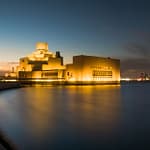

She had flown several languages in her life — English, Arabic, Turkish, Hindi. But it was the Dari announcement, crackling faintly through the cabin speakers just before the takeoff, that undid her.
“Mosaferín-e mohtaram…”
She hadn’t expected it… well, she did, but never thought of the impact it had. Somewhere between boarding and finding her seat, she’d braced for the discomfort of return — the questions at the airport, the familiar faces, the potential health risk — but not for this. Not for a steward reading out safety instructions in the language her mother used to wake her for school. Her eyes stung before she understood why. She turned to the window, pretending to watch the ground crew.
By the time the wheels left the tarmac, she had composed herself. But something had already shifted — the trip had started before the plane had.
Landing was its own kind of unravelling. As the plane began its descent, a voice heard over the speakers, welcoming passengers to Kabul, noting the weather, the usual procedures. They were ordinary words, but something in them reached further than she expected. Her eyes filled even as her lips smiled.
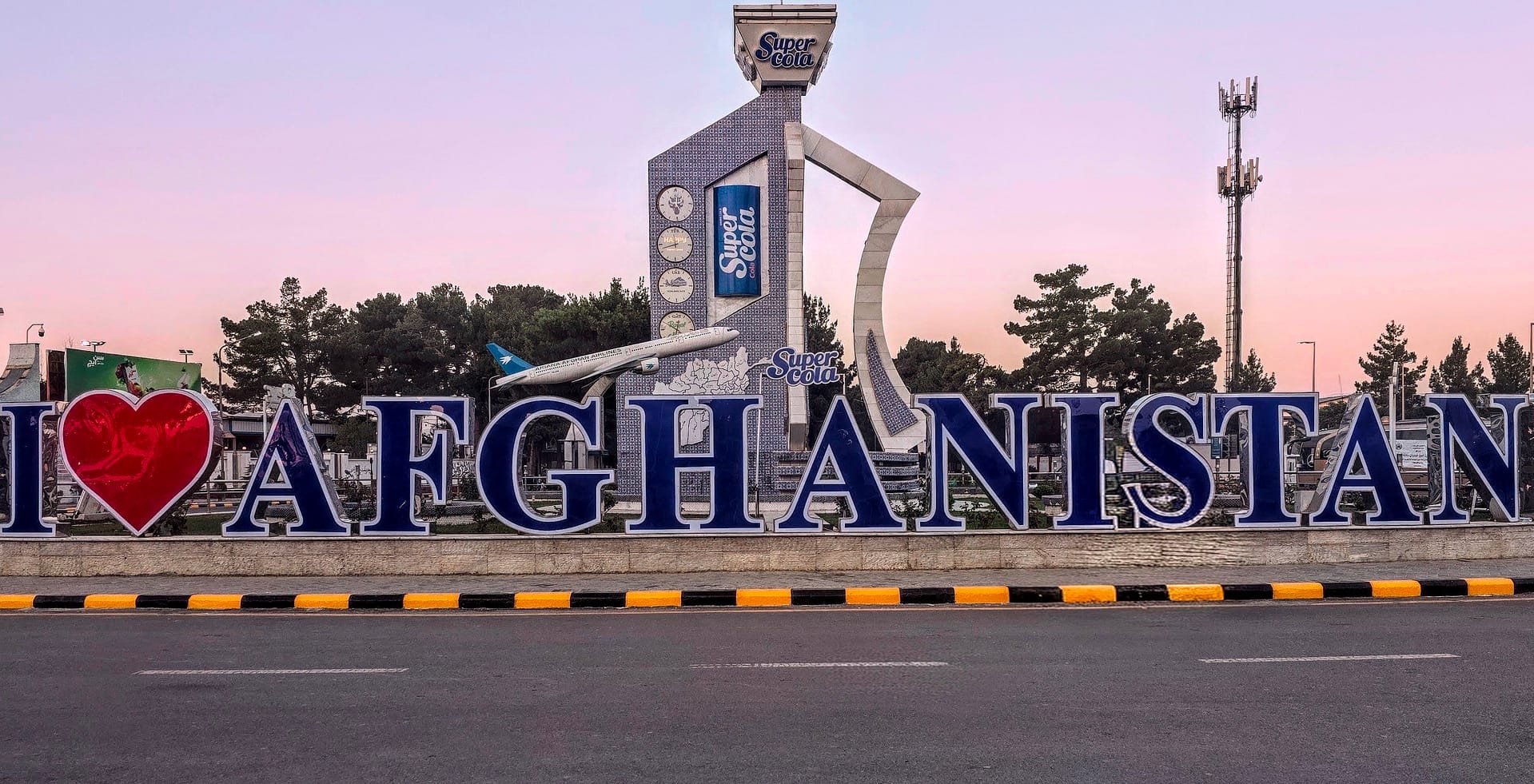
Clearing customs was straightforward, yet every second felt longer by her eagerness to step outside. As the terminal doors slid open, the crisp, fresh air of the early morning hit her face, sharp and grounding. It felt good; no it felt great. Right outside, she spotted the I ❤️ Afghanistan sign. It was an ordinary piece of airport decor, the kind you’d see in any mall or park, but this one struck a different chord. She paused, staring quietly before snapping a photo. In that moment, she came face to face with the reality: she had finally landed in Kabul after decades away.
Right out of the airport, the taxi passed by two buildings—wedding halls, or so the driver explained. They stood like borrowed dreams against everything as it meant for somewhere else. She looked away, not wanting to name what she felt; Yet another set of emotions to deal with later.
The city looked unfamiliar. A number of unfinished construction sites came into view, and much taller buildings had reshaped the skyline. Kabul had never boasted such heights. It was always a city of single-story homes and shops, and a few two- or three-storey houses, where the tallest residential blocks were the five-story Makrorayans. The physical landscape had transformed, but the emotional one remained untouched. The people were exactly the same: kind, smiling, weathered by hardship, yet carrying a quiet, surprising contentment.
When the taxi pulled up to the hotel, the driver initially refused to accept the fare. She hesitantly looked at him, but his insistence felt genuine. Still, she pressed the money into his hand before getting out. That same welcoming kindness followed inside, where the hotel staff showed overwhelming warmth. Later that day, the pattern repeated at a local restaurant, where the waiter waved away the money. “Mehman maa bashid,” he told them in Dari. Be our guest.
Kabul was beautiful, fairly clean; it was much safer than expected. People were unfailingly kind, respectful, and unrelentingly helpful. The food was delicious, and the level of hospitality was exceptional. However, it was also impossible to ignore the widespread poverty. It was not hidden or sporadic, just there, at every other place they went. This wasn’t just a Kabul thing; every city and town carried the same weight in some way. She wanted to help, but every time she reached for her purse, she paused: help whom, how much? How could she distinguish those in real need from those who were simply good at asking?
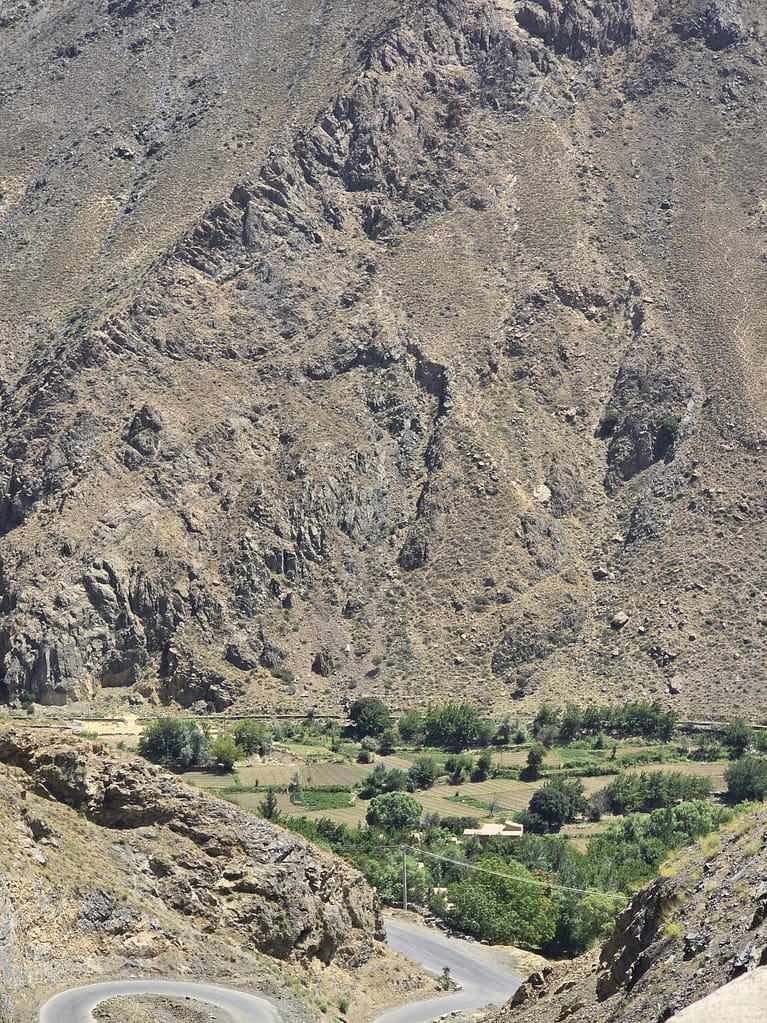
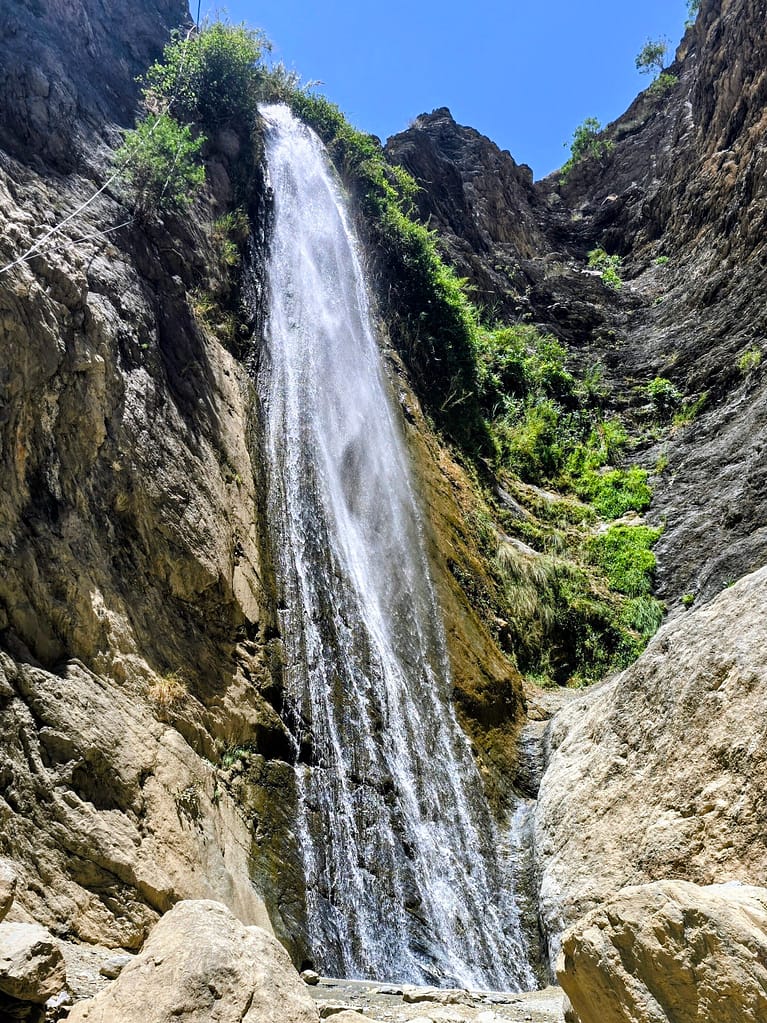
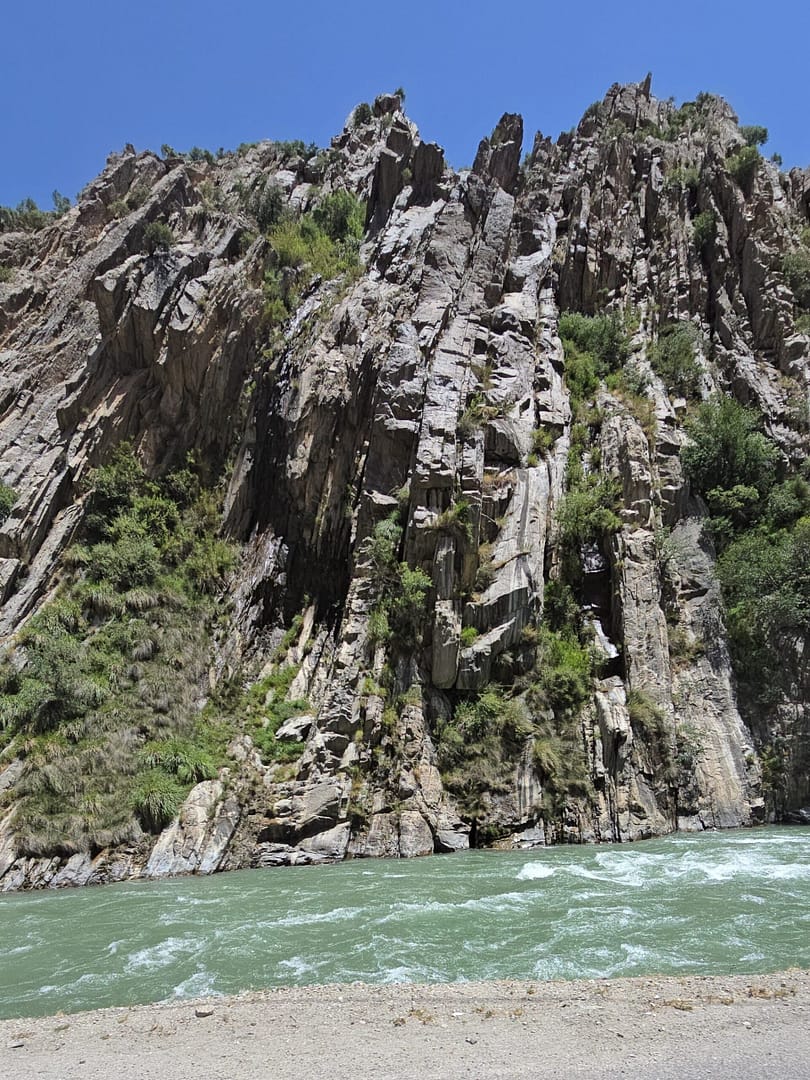
There were lighter moments of pure joy. “I’ve never had Qabili this tasty,” she kept saying, meaning it every single time. Meeting people was always pleasant; liking them came effortlessly. She was mesmerised with the unparalleled beauty of the country. The mountains to the north along the road to Panjshir and south on the way to Mahipar were towering and unyielding, much like those who lived in their shadow. The valleys, in turn, were green and generous, reflecting the spirit of their people.
For days, the trip felt almost perfect—good food, good company, and a country of staggering beauty. Then came the zoo. “Why wouldn’t they let me in?” she asked. It was such a small thing, but it hit harder than she expected. Women weren’t allowed that day, or that hour, or under whatever arbitrary rule was in effect. She had already made a kind of uneasy peace with the larger and harder facts: girls barred from high school, women banned from universities. Yet somehow, it was the zoo that broke through. She felt somewhat guilty for the joy she had been experiencing, as if holding both truths at once was its own kind of betrayal.
And yet the picture refused to stay simple. She saw women everywhere, working — flight attendants on the Kam Air, waitresses in restaurants, staff at banks and security checkpoints, in hospitals and schools. She met businesswomen, entrepreneurs. None of it matched what she had expected to find. It didn’t cancel out the zoo, or the closed universities. It just sat next to them, equally true.
Long before the trip took place, her desire was to visit her childhood home. She had left too young to remember the names of the streets. She had an idea of where it was — vague and fragmented, just a sense of what was around it, what was visible from it. With all the changes, it seemed improbable to find it. Of the dozen or so houses on the street, only two were as they had been. All the other houses were rebuilt or extended. There were multistorey buildings on her street now; she couldn’t believe it.
The family living in the house, though strangers, were so welcoming when they found out what she had come for. There was no hesitation, no question, as if hospitality in this place required no explanation — only an open door. Inside, apart from some changes here and there and perhaps multiple coats of paint, the house had stood the test of time. She moved around and was glad that she could recognise more than she had thought.
The irreconcilable fact was that while the house was the same, the neighbourhood was not. She felt as if there were two versions of reality: one in front of her, and another only in her mind.